Trending

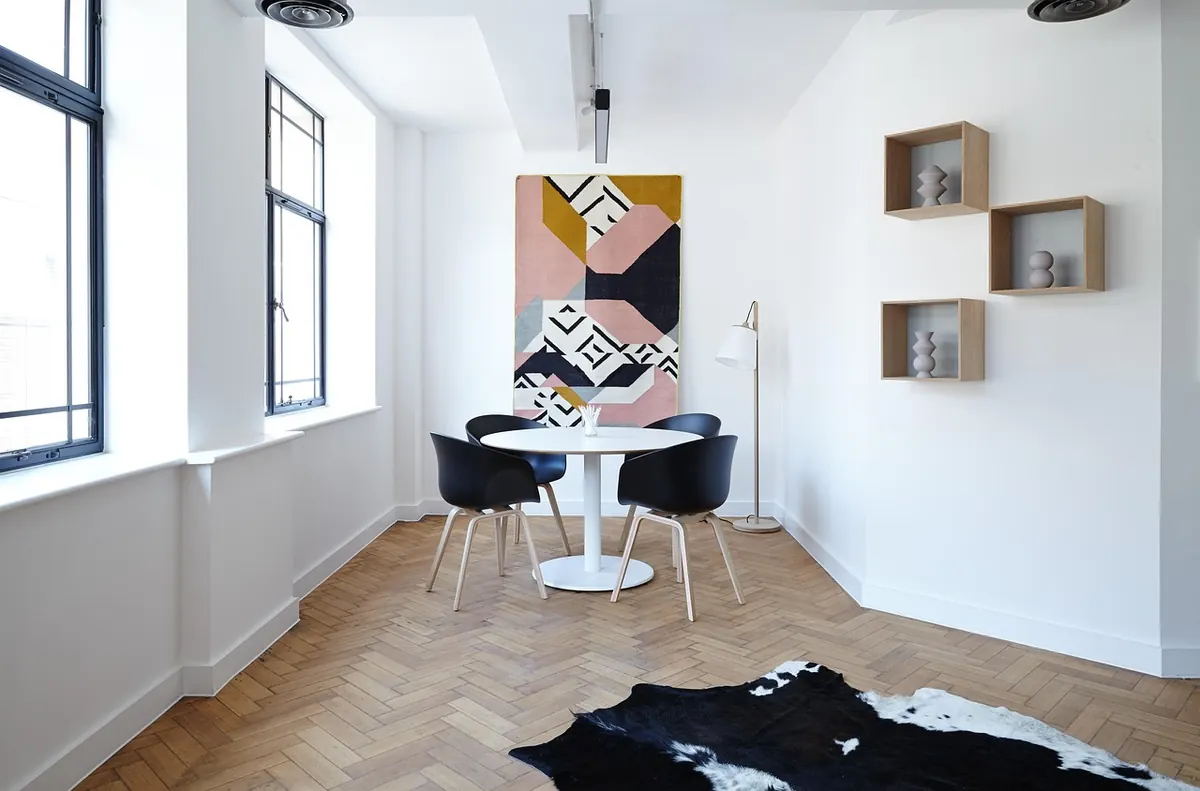
Renting can feel like camping indoors. Everything is folded, stacked or jammed into a cupboard because you cannot put up a single shelf, and the deposit sits in the back of your mind every time you reach for a picture hook. The good news is that the gap between "temporary" and "properly sorted" is much smaller than most people assume. There is a whole category of storage that grips, wedges, leans and hangs without touching a drill, and it all comes away cleanly when the tenancy ends.
Start with the paperwork, not the shopping. Most tenancy agreements contain a clause about alterations, and it is often broader than people expect. No damage does not automatically mean no breach of contract, so a shelving unit that marks nothing at all can still count against you if the agreement says no additional furniture or no fixings of any kind.
The practical approach is to ask in writing. Email the letting agent or landlord with a link to what you are planning and a note about how it is fitted. A short written reply saying yes is worth far more than a friendly "I don't see why not" on the doorstep. Photograph every wall, cupboard and skirting board on the day you move in, and file the pictures somewhere you will still find them in two years. If you are unsure where you stand, your local tenant advisory service or the agent can explain the rules for your area.
The phrase "no-drill shelf" covers a wide range of products, and they are not equally strong. A tension shelf wedged between two cupboard walls will happily take a stack of dinner plates. An adhesive-bracket floating shelf will not. Match the product to the job rather than the other way round.
Whichever you choose, respect the maximum load printed on the packaging as a ceiling rather than a target. Halve it if the surface is painted, textured or slightly uneven, and always put the heavy items on the lowest level.
A tension rod costs very little and takes about ten seconds to install, but it only works when the two surfaces are flat, parallel and close enough for the rod to span. Measure the gap in three places — top, middle and bottom — and buy a rod that extends at least three centimetres past the widest measurement. Extend it, seat one end, compress the spring and push the other end into place, then twist the locking collar and give it a firm tug before you trust it with anything.
Rubber or silicone ends grip better than plain plastic, particularly on tiles and gloss paint. A few ways to use them:
One caveat: tension rods can slip in humid rooms or on dusty surfaces. Do not use them for anything breakable or irreplaceable.
If you want real storage, buy furniture. A tall bookcase, a cube unit, a shoe bench, a slim bedside drawer stack or a kitchen trolley on castors will hold far more than any no-drill shelf, and it moves house with you. Measure the gap you have, then buy to fit it within a few centimetres rather than guessing online.
Push the unit against the wall and check how far the skirting board projects. A simple wooden offcut behind the base will clear it and stop the whole thing tilting. Fit the anti-tip strap that comes in the box — this is a safety item, not an optional extra. In small rooms, go tall rather than wide, and choose a colour close to the wall so the unit recedes instead of shouting. If your flat came furnished, check the inventory first: you may need somewhere to store the landlord's furniture while yours is in use.
Over-door hooks, adhesive hooks, magnetic hooks on the fridge and over-cupboard hooks for mugs are the fastest wins in a rental. They work best when you let the adhesive cure for a day before hanging anything on them, and when you stay well under the stated weight limit. Magnetic hooks only belong on ferrous metal, so test with a fridge magnet before buying a set for a filing cabinet.
Normal wear and tear is generally expected in a rented home, but there is a difference between a room ageing and a room being altered. Small picture hooks are often tolerated; anything larger is usually not. Blu tack leaves oily marks on emulsion, heavy adhesives can lift a patch of paint, and furniture standing in one spot for years can leave a lighter rectangle on the wall behind it.
Keep your own record. Photograph the walls again on the day you leave, after everything is out, and keep the images with your move-in set. If you do decide a proper fixing is the only answer, get permission first and be ready to fill and touch up afterwards. For anything beyond that, ask the deposit protection scheme holding your money or a tenant advisory service for guidance before you act.
Start free. Spend an hour decluttering before you spend anything, because half the space you think you need is usually already there. Then add tension rods and removable hooks, which are cheap, quick and easy to undo. Next, measure your awkward gaps and buy freestanding furniture that fits them properly. Leave no-drill shelves until last, and only for light things.
Buy one thing at a time and live with it for a week before adding the next. Rental storage works best when it is quiet, reversible and slightly boring — the sort of setup you can dismantle in an afternoon and hand back without a conversation.
Photo: Pexels / Pixabay